Dental bonding can improve minor chips, gaps, uneven edges, and discoloration. At Northwest General Dentistry, treatment is tailored to your smile goals and dental needs. A consultation can help determine whether bonding is right for you.
Dental bonding uses tooth-colored composite material that is carefully shaped to improve a tooth’s appearance. It may address minor chips, uneven edges, small gaps, irregular shapes, and certain areas of discoloration.
The American Dental Association's information on composite fillings explains how tooth-colored composite materials are used in dental restorations. Your dentist will evaluate your teeth to determine whether bonding is suitable for your specific concerns.
Dental bonding can be a practical option for patients seeking subtle cosmetic improvements without extensive treatment. It can refine uneven edges, improve tooth proportions, and address minor imperfections for a more balanced smile. For patients exploring additional options, cosmetic dentistry may offer other treatments to complement their smile goals.
For suitable candidates, bonding may provide an alternative to more extensive cosmetic procedures. Patients considering porcelain veneers or other veneers can discuss their options with a dentist to determine which treatment best meets their needs. A consultation can also help patients considering a smile makeover understand which cosmetic approach may be most appropriate.
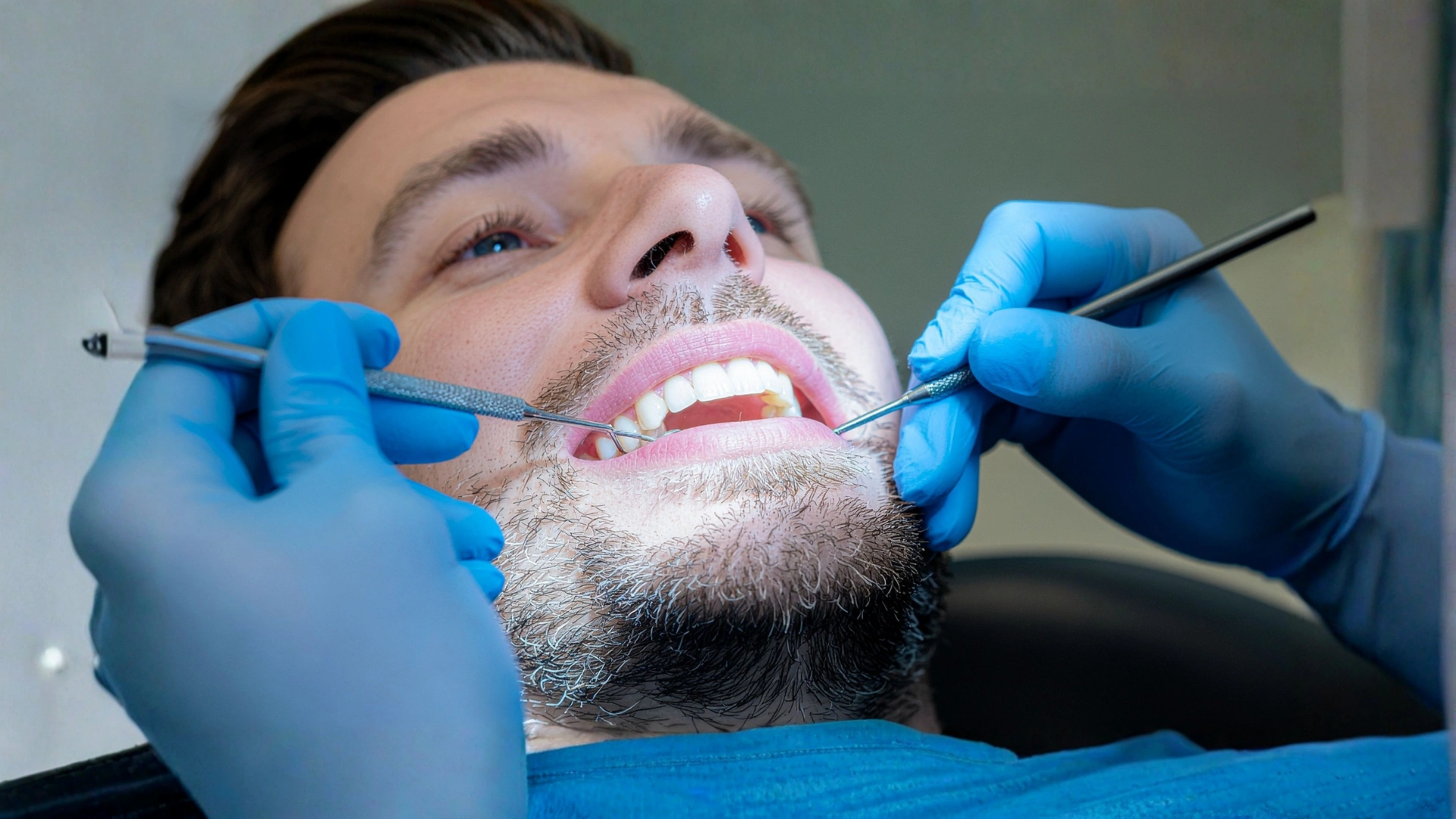
Treatment begins with an examination of your teeth and a discussion of your desired results. Your dentist will assess your oral health, bite, and the condition of the teeth you want to improve.
A composite shade is selected to complement your natural teeth. The material is applied, shaped, and hardened before your dentist makes final adjustments and polishes the surface.
The treatment process varies based on the number of teeth involved and the extent of the improvements needed.
Dental bonding may be suitable for certain minor cosmetic concerns, depending on your oral health and dental needs. Your dentist will consider factors such as tooth condition, bite, the location of the imperfection, and your desired results. A consultation can determine whether bonding or another restorative or cosmetic treatment is the best option for your smile.
Dental bonding in Houston, TX can improve minor imperfections while maintaining a natural-looking smile.
Northwest General Dentistry is located at 15614 FM 529, Houston, TX 77095, with office hours Monday and Tuesday from 8 AM to 5 PM, Wednesday from 9 AM to 6 PM, Thursday from 9 AM to 4 PM, and Friday from 7 AM to 1 PM; the office is closed Saturday and Sunday.
Schedule your consultation today.
With proper oral care, dental bonding can remain functional for several years. Its longevity depends on factors such as the location of the bonding, daily habits, and overall dental care.
Yes, bonded material can develop discoloration over time. Limiting exposure to staining foods and beverages and maintaining regular dental cleanings can help preserve its appearance.
Anesthesia is not always necessary for dental bonding, particularly when treatment is limited to the tooth's surface. Your dentist can determine whether anesthesia is appropriate for your procedure.
Your dentist may provide specific recommendations about eating immediately after treatment. Following those instructions can help protect the newly bonded material and support a successful result.
Dental bonding can generally be adjusted, repaired, or replaced when needed. Your dentist can assess the existing material and recommend the appropriate approach based on its condition.